
Introduction
Stored procedures are a fundamental part of enterprise database development. They allow organizations to encapsulate SQL logic inside the database, making frequently used operations easier to manage, secure, and reuse. From processing transactions to generating reports and performing complex data transformations, well-designed stored procedures can improve consistency and simplify application development. However, poorly designed procedures can create performance, maintenance, and security challenges. Following established best practices helps organizations build reliable and scalable database solutions.
What Are SQL Stored Procedures?
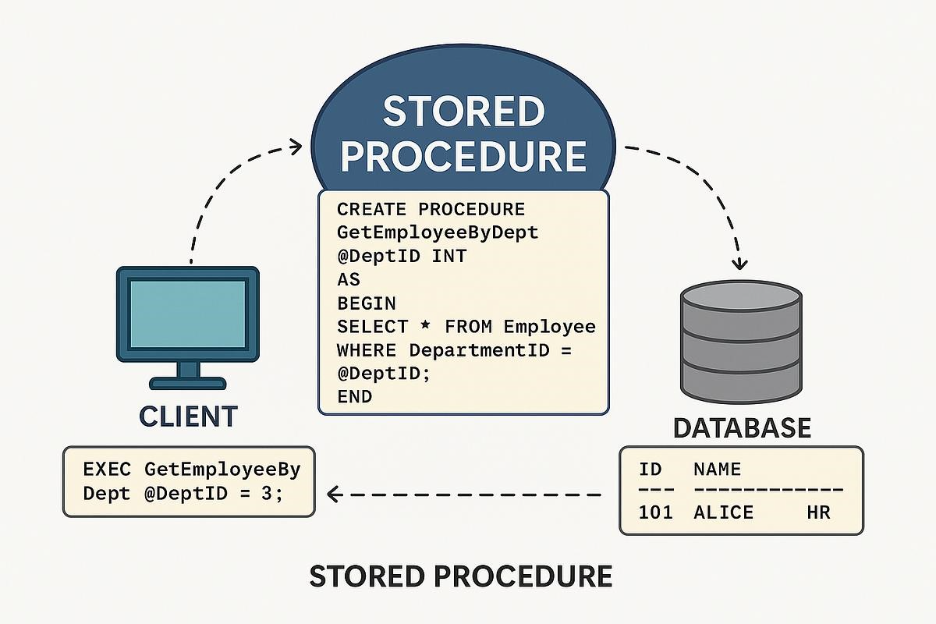
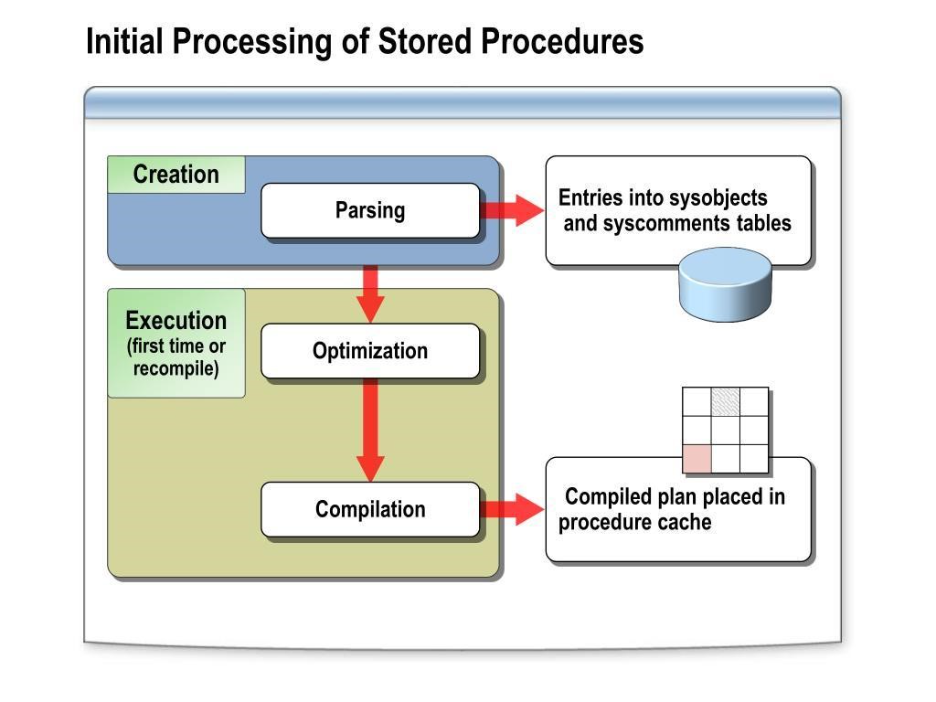
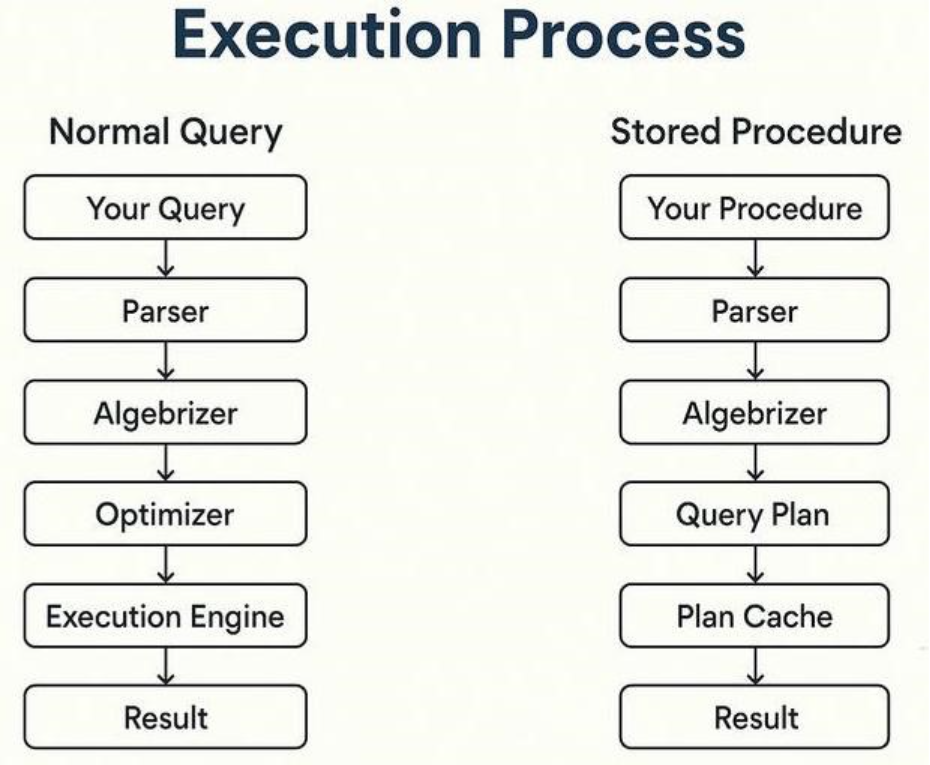
A stored procedure is a precompiled collection of SQL statements stored within a database and executed when required. It can accept input parameters, perform calculations or data modifications, and return results to an application or reporting system.
For example, an organization might use a stored procedure to retrieve customer orders based on a selected date range or customer ID. Instead of writing the same query repeatedly, applications can call the procedure whenever the data is required.
Best Practices for Enterprise Stored Procedures
1. Use Meaningful Naming Conventions
Use clear and consistent names that describe what the procedure does. For example, names such as GetCustomerOrders or UpdateInvoiceStatus make the purpose immediately understandable.
2. Use Parameters Instead of Hard-Coded Values
Parameters make procedures reusable and flexible. Instead of embedding customer IDs, dates, or status values directly into queries, pass them as parameters.
This also helps applications safely provide user-specific inputs.
3. Avoid SELECT *
Always specify the required columns rather than using SELECT *. This improves clarity and reduces unnecessary data retrieval, especially when tables contain many columns.
4. Handle Errors Properly
Enterprise procedures should include appropriate error handling. In SQL Server, TRY…CATCH can be used to capture errors and provide controlled handling instead of allowing unexpected failures to propagate to applications.
5. Use Transactions Carefully
Transactions are important when multiple database operations must succeed or fail together. However, transactions should be kept as short as practical because long-running transactions can hold locks and affect other users.
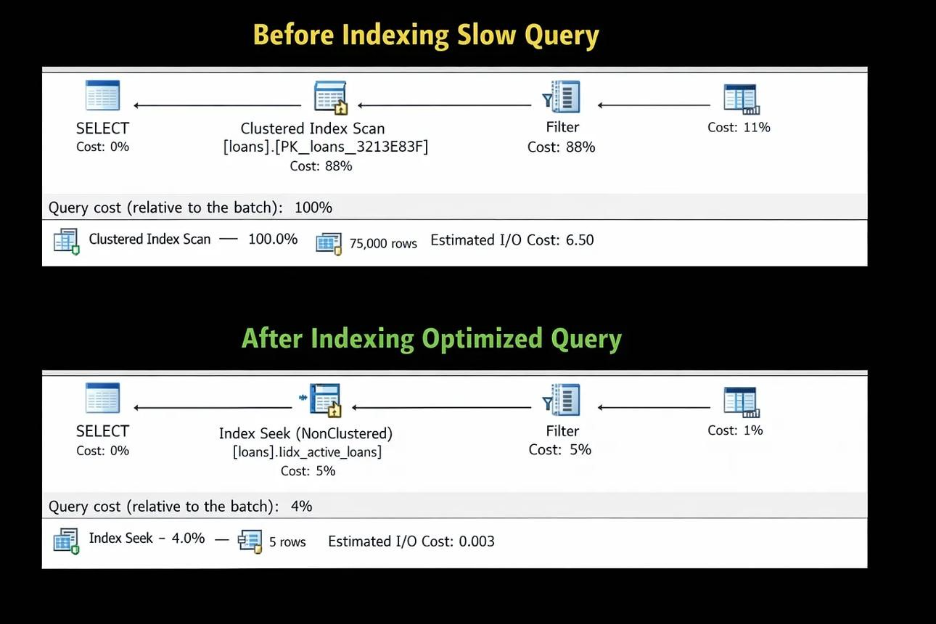
6. Optimize Query Performance
Review execution plans, indexes, joins, filters, and unnecessary operations when optimizing stored procedures. Avoid retrieving large datasets when only a small subset is required.
7. Avoid Unnecessary Dynamic SQL
Dynamic SQL can be useful for certain scenarios, but excessive use can make procedures harder to maintain and introduce security risks. When dynamic SQL is necessary, use parameterized approaches such as sp_executesql.
8. Document Complex Business Logic
Enterprise procedures can contain significant business rules. Add appropriate comments and maintain documentation explaining complex calculations, dependencies, and important assumptions.
9. Keep Procedures Focused
A stored procedure should have a clear responsibility. Extremely large procedures that handle unrelated operations become difficult to test, troubleshoot, and maintain. Breaking complex logic into smaller, focused procedures can improve maintainability.
Real-World Example
Consider an enterprise sales application where users need monthly sales information. Instead of sending complex SQL queries directly from the application, the system can call a stored procedure such as GetMonthlySales, passing parameters such as customer, region, and date range.
The procedure can retrieve the required data, apply business rules, and return a standardized result. This approach centralizes database logic and allows multiple applications or reports to use the same business logic.
Benefits of Well-Designed Stored Procedures
- Reusability: Common database operations can be called from multiple applications.
- Security: Permissions can be managed around controlled database operations.
- Maintainability: Business logic can be centralized within the database.
- Performance: Queries can be optimized and unnecessary data retrieval reduced.
- Consistency: Applications can use standardized database logic.
- Scalability: Properly optimized procedures can support growing workloads.
Key Considerations
Stored procedures should not automatically be used for every database operation. Teams should consider application architecture, data access patterns, performance requirements, security, and maintainability when deciding where business logic belongs.
Conclusion
SQL stored procedures remain valuable for enterprise applications when they are designed with clear responsibilities, secure parameter handling, effective error management, and performance optimization in mind. By following consistent naming conventions, minimizing unnecessary queries, using transactions carefully, and documenting complex logic, organizations can build database solutions that are easier to maintain and scale. A disciplined stored procedure strategy can ultimately improve reliability, security, and consistency across enterprise applications.
Author By

Afroz Labbai
Afroz is a Data Engineer and Team Lead with 4+ years of experience in building scalable data platforms using Azure technologies such as Azure Data Factory, Azure SQL, Databricks, and Synapse. He specialises in ETL development, SQL optimisation, and data modelling, delivering reliable and cost-efficient solutions for enterprise analytics. He is passionate about continuous learning, mentoring teams, and driving data-driven decision-making.