
Remember when personalization meant dropping a first name into an email subject line? “Hey [Name], huge sale!” It felt smart in 2015. By 2026, it feels almost quaint—like sending a fax.
Today’s consumers expect something far deeper. They want every interaction to feel like the brand has been quietly paying attention for years. That leap is powered by AI-driven hyper-personalization: true one-to-one marketing at massive scale, where each person experiences a version of your brand made just for them.
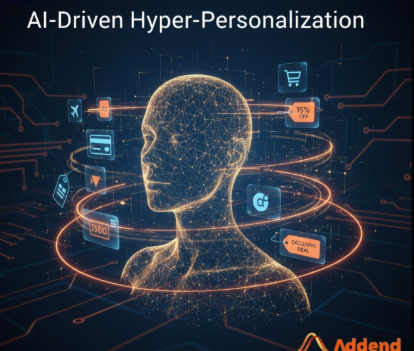
Hyper-personalization uses real-time data and AI to deliver extremely relevant content, recommendations, offers, and entire experiences—dynamically, not pre-set.
Modern marketing stacks now enable:
- Dynamic Content Generation
Websites rewrite headlines, hero images, product suggestions, and discounts the instant someone arrives.
- Predictive Journeys
AI anticipates the next likely step and gently guides the user there.
- Micro-Moment Targeting
Serving the perfect offer at the exact second they’re most receptive.
- Emotionally Intelligent Messaging
Matching tone, energy, and voice based on past sentiment, chat style, even typing patterns.
Example: A visitor hits your e-commerce site.
A busy mom in a cold city sees cozy family bundles and kid-friendly deals.
A college student elsewhere sees streetwear drops and student-exclusive codes.
Same homepage URL. Completely different experience.
Real-World Use Case: Travel in 2026
Sarah opens a travel app on a rainy Sunday. She hasn’t searched anything.
The AI already knows:
• She got promoted last month (from spending patterns and public profiles)
• She saved a boutique hotel in Portugal months ago
• She prefers solo wellness trips
Before she types, the app reshapes itself:
- Hero banner: “Congrats on the promotion, Sarah. 15% off wellness retreats in Portugal.”
- Top picks: Curated Algarve stays—solo-friendly, high-rated spas.
- Soft nudge: “Lisbon flights rise in 3 days. Lock in now?”
Twenty minutes later, she’s booked. She didn’t ask. The system just connected promotion, past interest, weather, and flight trends. That’s not personalization—it’s anticipation.
How It Works
Three layers make it possible:
- Unified Data Layer
Every touchpoint—app opens, scrolls, chats, purchases—feeds one living customer profile, updated in real time.
- Real-Time Intent Recognition
Machine learning reads micro-behaviors: hover time, scroll depth, review pauses. Predicts intent with high accuracy.
- Generative Engine
LLMs instantly create the perfect asset—custom copy, layout, discount, or chatbot reply.
We’ve shifted from “campaigns” to millions of simultaneous, private conversations.
Key Benefits
– Conversion rates often jump 5–10× when the message feels tailor-made.
– Loyalty deepens—people stay with brands that truly “get” them.
– Ad waste drops dramatically—no more broad spraying.
– Lifetime value rises through repeat purchases and higher spend.
– In a noisy market, understanding the customer becomes the biggest edge.
Challenges
This power demands responsibility:
– Creepiness risk: Too accurate too soon feels invasive. Timing and transparency matter.
– Privacy: GDPR, CCPA, and new AI rules require clear consent and data stories.
– Bias: Flawed training data repeats old stereotypes—regular audits are essential.
– Human handoff: Some moments still need real empathy, not AI.
Conclusion
In 2026, AI-driven hyper-personalization has transformed marketing from interruption to intuition. The best experiences don’t feel like selling—they feel like understanding.
Winners won’t be the brands with the most data. They’ll be the ones who use it most thoughtfully—to create genuine moments of connection.
The future isn’t just personalized.
It’s hyper-intelligent, deeply human, and beautifully individual.
Author By

Gaurav Lakhotia
Gaurav holds an MBA in Business Analytics. As a data geek and avid learner, he has earned accolades including Microsoft Certified Data Analyst, Microsoft Certified Azure Administrator, and active Power BI Community contributor. He is also a Microsoft Certified Trainer. With critical thinking and project delivery skills, he strives to achieve customer delight in Data Analytics projects. Gaurav loves travelling with friends when he is not busy working on data.